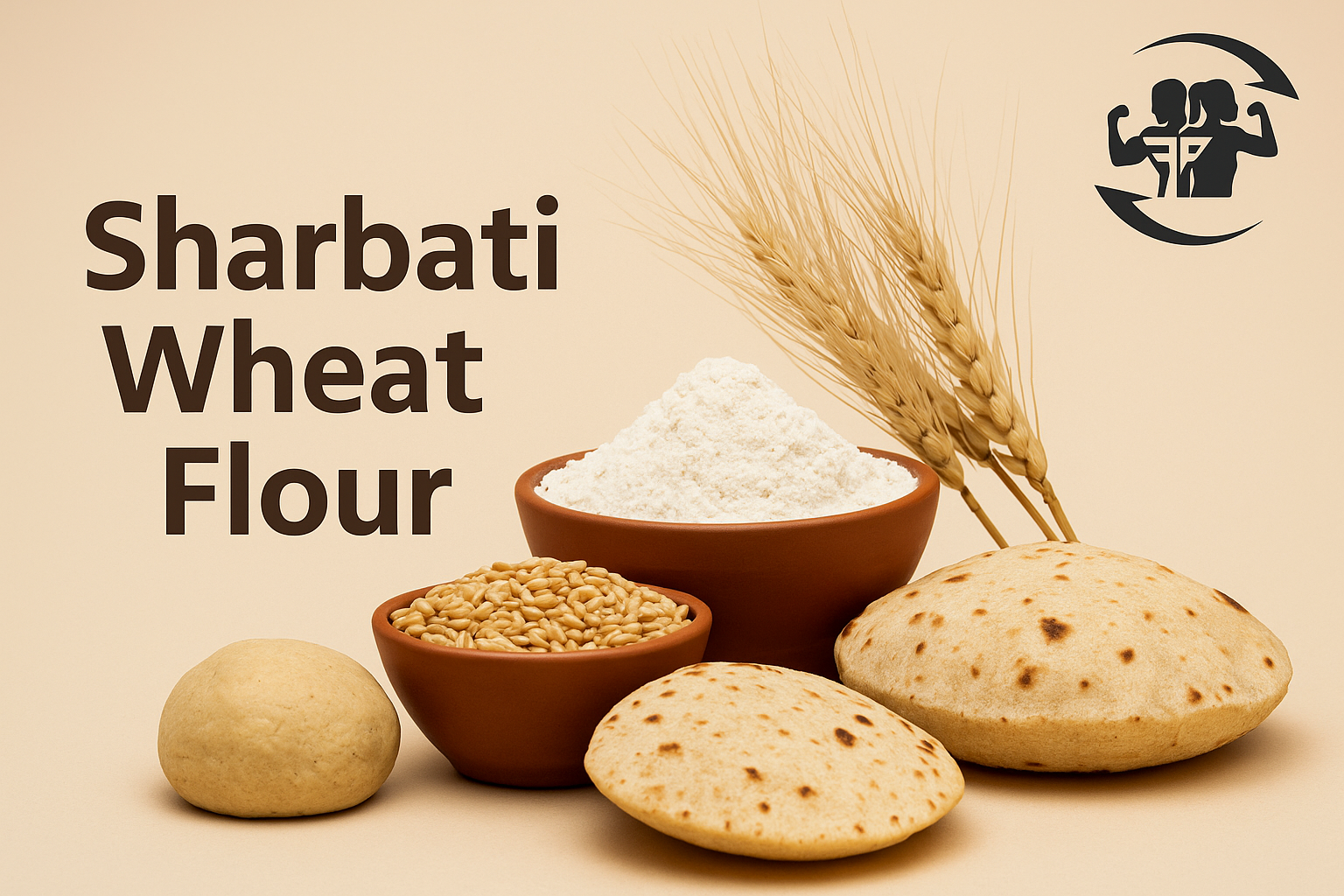
Sharbati is a premium variety of Indian wheat loved for its naturally sweet taste and soft texture. Grown primarily in Madhya Pradesh—especially the Sehore, Vidisha and Bhopal belt—this wheat develops a distinct character in the region’s black, mineral‑rich soils. When freshly milled, Sharbati makes rotis that stay soft longer and have a pleasing aroma—perfect for daily meals.
Why Sharbati wheat flour is good for you
Like quality whole‑wheat flour, Sharbati provides dietary fiber for fullness, complex carbohydrates for steady energy, and plant protein to support everyday nutrition. It’s a source of iron, magnesium, phosphorus and B‑vitamins. Many home cooks also find that Sharbati absorbs a little more water, yielding a supple dough and softer chapatis. (General wellness information; not medical advice.)
How to cook/eat Sharbati flour
- Rotis/Chapati: Knead with warm water, rest 10–15 minutes, then roll and cook on a hot tawa. Brush with ghee for classic softness.
- Paratha & Puri: Use Sharbati for flaky parathas and light, puffed puris.
- Breads & Bakes: Replace part of all‑purpose flour in breads, pancakes and muffins for a nuttier flavor and fiber boost.
- Everyday Pairings: Rotis pair beautifully with dals, seasonal sabzis and yogurt.
Approximate nutrition (per 100 g whole‑wheat flour)
Energy ~340–360 kcal; Carbohydrates ~70–72 g; Protein ~10–12 g; Fat ~1–2 g; Fiber ~10–12 g. Naturally a source of iron, magnesium and B‑vitamins (values vary by grain and milling).
Tips for best results
Choose freshly milled flour—aroma and softness are best right after milling. Store airtight in a cool, dry place; refrigerate in warm months. For extra tenderness, add a splash of milk or a spoon of ghee when kneading. At Forte Pure, we mill Sharbati wheat in small batches at our Gurugram facility—no chemicals, no additives, no preservatives—so you can build health with every bite.